Evaluating Vintage Valentines Digital Paper for Modern Creative Projects
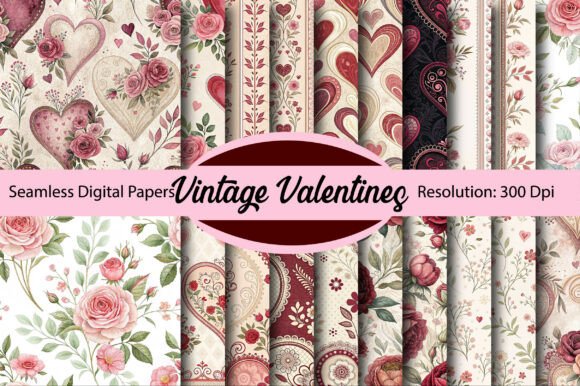
Digital design resources have evolved significantly, offering creators a vast array of textures and patterns to enhance their work. Among these, Vintage Valentines Digital Paper stands out as a specific niche that blends historical aesthetic charm with modern technical utility. These assets typically feature romantic motifs, aged textures, and classic color palettes reminiscent of early 20th-century correspondence, yet they are engineered for high-resolution digital application. Understanding the distinct characteristics of these files, particularly those offered as amazing seamless pattern digital paper backgrounds, is essential for designers, crafters, and hobbyists looking to integrate nostalgia into contemporary projects without sacrificing quality.
The core appeal of this category lies in its versatility. Unlike physical vintage paper, which may be fragile, yellowed beyond usability, or limited in quantity, digital versions provide infinite reproducibility. When sourced correctly, these files come in JPEG format with a resolution of 300 dpi. This specification is critical; it ensures that the imagery remains crisp whether it is being scaled down for a website favicon or scaled up for large-format printing. The inclusion of seamless transparent patterns further expands the utility, allowing users to tile the image across any surface without visible break lines, creating an illusion of endless texture.
Technical Specifications and Format Considerations
When evaluating digital paper resources, the technical specifications often dictate the scope of possible applications. The standard for professional-grade Vintage Valentines Digital Paper is a resolution of 300 dots per inch (dpi). This density is the industry benchmark for print media. If a designer intends to use these patterns for physical outputs such as greeting cards, packaging, or scrapbooking layouts, 300 dpi is non-negotiable. Lower resolution files, often found at 72 dpi, are suitable only for screen display and will appear pixelated or blurry when sent to a printer.
The file format is another decisive factor. While PNG files are preferred for graphics requiring transparency, high-quality JPEGs are often sufficient for background patterns where the entire canvas is covered. The "seamless" nature of these patterns means the edges align perfectly when tiled. This is particularly useful for web designers creating blog backgrounds or fashion developers generating textile prints. A seamless pattern eliminates the need for complex Photoshop manipulation to hide seams, saving significant time in the workflow. However, users should verify if the "transparent pattern" claim applies to the background itself or if it refers to overlay elements within the design, as true transparency requires a format like PNG or TIFF, whereas standard JPEGs have a solid background color.
Comparing Vintage Aesthetics with Modern Alternatives
In the broader landscape of digital backgrounds, Vintage Valentines Digital Paper occupies a unique space between purely illustrative vectors and photographic textures. When comparing these assets to flat, vector-based patterns, the vintage option offers depth and organic imperfection. Vector graphics are clean and infinitely scalable but can sometimes feel sterile or too "digital." In contrast, vintage papers often simulate watercolor stains, ink bleeds, and paper grain, providing a tactile feel that resonates emotionally with viewers.
Conversely, when compared to high-resolution photography of actual antique paper, digital recreations offer superior consistency. Real scanned paper may have tears, staples, or uneven lighting that distracts from the final design. Digital versions curate these aesthetic qualities, removing unwanted artifacts while retaining the soul of the original material. For projects like party packs or wedding invitations, where a cohesive look is vital across multiple items, the controlled consistency of digital vintage paper is often preferable to scanning disparate physical items.
There is also a distinction between generic "retro" patterns and specific Vintage Valentines themes. Generic retro designs might utilize bold geometric shapes or mid-century modern colors. The Valentine-specific subset focuses on softer hues—dusty pinks, creams, faded reds—and iconography such as cupids, lace, doilies, and script typography. Choosing the right category depends heavily on the emotional tone of the project. A tech startup's website might benefit from geometric retro, while a boutique bakery's packaging would likely find more success with the romantic softness of vintage Valentine motifs.
Practical Applications Across Industries
The utility of these seamless patterns extends far beyond simple decoration. In the realm of digital scrapbooking, these papers serve as the foundational layer upon which memories are arranged. The 300 dpi resolution ensures that when a user prints their scrapbook pages, the background does not lose fidelity. Similarly, for papercraft enthusiasts who create 3D boxes, origami, or paper dolls, the ability to print high-quality, themed paper at home is a cost-effective alternative to buying specialized craft sheets.
Fashion and textile designers also find value in these resources. A seamless pattern can be imported into textile design software to create repeats for fabric printing. The vintage aesthetic is currently trending in apparel, particularly for lingerie, loungewear, and spring collections. Using a pre-made seamless digital paper as a base can accelerate the design process, allowing the creator to focus on garment construction rather than pattern drafting from scratch.
For web developers and content creators, these images function effectively as blog backgrounds or section dividers. When used digitally, the file size of a JPEG must be balanced against quality. While the source file should be 300 dpi for archival purposes, the version uploaded to a website should be optimized for web speed (often 72 dpi and compressed) to ensure fast loading times without visibly degrading the pattern on standard screens. This dual-use capability—high res for print, optimized for web—makes these packs a versatile investment.
Decision Factors: When to Choose Vintage Valentine Patterns
Selecting the right resource involves weighing the project requirements against the strengths of the asset. Vintage Valentines Digital Paper is the ideal choice when the project demands an emotional connection, a sense of history, or a handcrafted appearance. It is particularly effective for:
- Greeting Cards and Stationery: The thematic relevance is immediate, reducing the need for additional graphic elements.
- Packaging Design: Small businesses selling handmade soaps, candles, or confections can use these patterns to elevate perceived value and suggest artisanal quality.
- Event Materials: From wedding programs to party favors, the cohesive vintage theme helps unify disparate event elements.
- Social Media Graphics: In a feed dominated by bright, saturated modern imagery, a muted vintage texture can stop the scroll by offering visual relief and sophistication.
However, there are scenarios where this style may not be the best fit. If the brand identity relies on ultra-modernism, minimalism, or high-contrast neon aesthetics, the soft, textured look of vintage paper could clash with the overall message. Additionally, if a project requires strict color matching (such as corporate branding with specific Pantone codes), the variable nature of vintage simulations—which often rely on off-whites and varied tones—might present challenges in color consistency across different printers.
Limitations and Best Practices
While amazing seamless pattern digital paper backgrounds offer numerous advantages, users must remain aware of licensing and technical limitations. Not all digital papers are created equal; some may claim to be seamless but have slight misalignments at the edges. It is advisable to test the tile function in image editing software before committing to a large-scale print run. Furthermore, while JPEG is a universal format, it uses lossy compression. For projects involving heavy post-processing or color grading, working with the highest quality master files available is crucial to prevent artifacting.
Another consideration is the context of use. A pattern that looks intricate and beautiful at a small scale (like on a phone screen) might appear too busy or noisy when printed on a large poster. Designers should always preview their patterns at 100% scale relative to the final output size. For fashion projects, the scale of the repeat pattern matters significantly; a motif that works for a scarf might be too large for a delicate blouse fabric.
Ultimately, the decision to utilize Vintage Valentines Digital Paper comes down to the narrative the creator wishes to tell. These resources provide a bridge between the past and present, allowing modern creators to infuse their work with the warmth and character of a bygone era. By understanding the technical nuances of resolution, format, and seamlessness, and by realistically assessing how these textures compare to other design options, professionals and hobbyists alike can make informed choices that enhance the quality and impact of their creative endeavors.