Evaluating the Practical Utility of a Cottagecore Linen Background Set for Digital Creators
In the current landscape of digital design and handmade commerce, texture plays a pivotal role in establishing brand identity. Flat, solid colors often fail to convey the warmth or tactile quality that modern consumers seek, particularly within niches focused on sustainability, nostalgia, and artisanal craftsmanship. This is where a specialized Cottagecore Linen Background Set becomes more than just a decorative asset; it serves as a foundational tool for elevating the perceived value of physical and digital products. For professionals ranging from Etsy shop owners to independent graphic designers, understanding the technical specifications and practical applications of such resources is essential for maintaining a competitive edge.
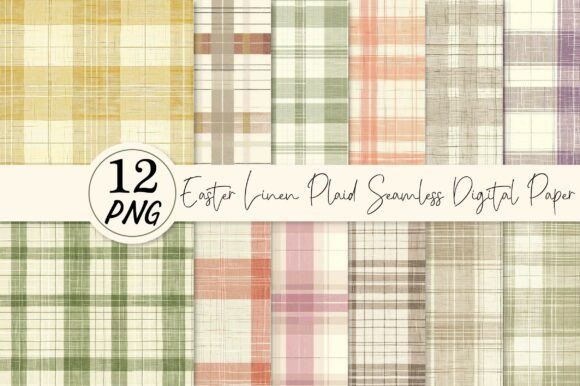
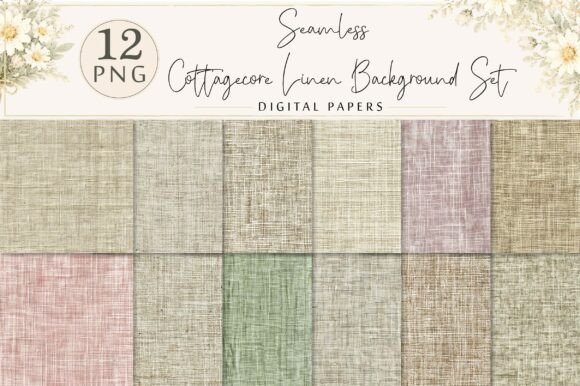
The specific collection under review here offers twelve distinct designs, each engineered to replicate the organic imperfections of natural linen fabric. Unlike generic textures that may appear repetitive or digitally noisy, these files are crafted with a "distressed effect" that mimics the subtle variations found in woven materials. The core value proposition lies in the balance between aesthetic authenticity and technical flexibility. When integrating these backgrounds into a workflow, the goal is to enhance the foreground content without overwhelming it. A well-executed linen texture provides just enough visual interest to break up white space while remaining neutral enough to let typography and product photography take center stage.
Technical Specifications and File Integrity
From a production standpoint, the viability of any digital asset hinges on its resolution and file format. This set delivers files in PNG format with a resolution of 300 DPI (dots per inch) at a size of 12×12 inches. For those unfamiliar with print standards, 300 DPI is the industry benchmark for high-quality physical printing. Anything lower risks appearing pixelated or blurry when rendered on tangible media like cardstock or fabric. The 12×12 inch dimension is particularly strategic; it aligns perfectly with standard scrapbooking paper sizes and provides ample canvas for creating full-sheet prints that can later be trimmed or adapted.
The inclusion of a transparent background is a critical feature that significantly expands usability. In many lower-quality texture packs, the background is locked to a specific white or off-white hex code, forcing the user to employ complex masking techniques if they wish to place the texture over a colored surface. With transparency, these linen overlays can be dropped into any project hierarchy. Whether you are working in Adobe Photoshop, Procreate, Canva, or Affinity Designer, the ability to layer these textures above or below other elements without destructive editing streamlines the design process. Furthermore, the high resolution ensures that even if the user needs to resize the image for a smaller application, such as a sticker or a business card, the integrity of the weave pattern remains sharp.
Aesthetic Versatility Across Product Lines
The term "Cottagecore" evokes a specific visual language characterized by rural romanticism, soft palettes, and a return to traditional skills. However, the utility of this Cottagecore Linen Background Set extends beyond strictly thematic projects. The distressed effect introduces a sense of age and authenticity that resonates with a broader audience seeking "human-made" qualities in a digital world. Here is how these assets perform across various real-world applications:
- Sticker Production: For creators selling die-cut stickers, the linen texture adds depth that flat vinyl often lacks. When printed on matte sticker paper, the distressed effect can mimic the look of fabric patches or aged labels, increasing the perceived craftsmanship of the item.
- Apparel Design: When used as a base for T-shirt graphics, particularly for direct-to-garment (DTG) printing, these backgrounds can soften harsh vector lines. They work exceptionally well for vintage-style logos or botanical illustrations where a rugged, worn-in look is desirable.
- Greeting Cards and Stationery: The 12×12 format is ideal for creating custom greeting cards. The texture provides a sophisticated backdrop for hand-lettered quotes or floral arrangements, making the final product feel like a premium, letterpressed item rather than a standard digital print.
- Wall Decor and Framed Art: Artists can utilize these backgrounds to create cohesive series of prints. By maintaining a consistent linen texture across multiple designs, a seller can establish a recognizable brand aesthetic that encourages customers to purchase multiple pieces for gallery walls.
- Digital Scrapbooking: Hobbyists and professional scrapbookers can use these files to digitize memories with a tactile feel. The transparent nature allows for easy blending with photos and journaling cards.
Workflow Efficiency and Scalability
For entrepreneurs and small business owners, time is a finite resource. Sourcing high-quality textures individually or attempting to photograph actual fabric can be time-consuming and inconsistent. Lighting conditions, camera sensors, and fabric tension can all alter the appearance of a photographed texture, leading to a lack of uniformity across a product line. A curated set of twelve designs offers immediate consistency. Once a creator selects a favorite texture from the set, they can apply it across their entire catalog—from social media graphics to packaging inserts—ensuring a cohesive brand experience.
The "instant download" nature of this product also eliminates supply chain variables. There is no shipping delay, no risk of physical damage during transit, and no inventory storage required. Upon purchase, the assets are ready for immediate deployment. This immediacy is crucial for marketers and content creators who need to pivot quickly based on trends or seasonal demands. The ability to resize the files using standard software means that a single purchase can serve multiple purposes over an extended period, offering significant long-term value relative to the initial cost.
Considerations for Print and Color Accuracy
While the digital files are robust, it is important to address the limitations inherent in the transition from screen to print. The product description rightly notes that colors may vary depending on devices and printers. This is a universal reality of color management. Monitors operate on an RGB (Red, Green, Blue) color model, which emits light, whereas printers use CMYK (Cyan, Magenta, Yellow, Key/Black) ink absorption. A warm beige on a calibrated monitor might print slightly cooler or darker on a home inkjet printer compared to a professional offset press.
Professionals utilizing this Cottagecore Linen Background Set should anticipate these variances. It is advisable to order a test print before committing to a large production run, especially for color-sensitive projects like wedding invitations or branded merchandise. Additionally, the "distressed effect" relies on subtle tonal shifts. If printed on low-quality, highly absorbent paper, some of the finer details of the weave might get lost. Therefore, pairing these backgrounds with higher GSM (grams per square meter) paper stocks is recommended to preserve the texture's definition.
Target Audience and Strategic Fit
Who stands to gain the most from this specific asset library? Primarily, it is suited for:
- Etsy and Shopify Sellers: Individuals selling physical goods who need to elevate their product photography backgrounds or design custom packaging.
- Freelance Graphic Designers: Professionals looking to expand their resource library with reliable, high-resolution textures that can be licensed for client work.
- Educators and Content Creators: Those creating worksheets, planners, or digital journals where a calming, organic aesthetic improves user engagement.
- Hobbyists: Serious crafters involved in card making or scrapbooking who prefer digital precision over manual cutting and pasting.
Conversely, users seeking hyper-realistic, photographic representations of specific fabric weaves for fashion design mockups might find the "distressed" artistic interpretation less suitable for technical specification. Similarly, those requiring vector-based scalability (infinite resizing without pixelation) would need to trace these raster images, though the 300 DPI resolution makes this process much smoother than with lower-quality sources.
Final Assessment of Value
In conclusion, the Cottagecore Linen Background Set represents a pragmatic investment for creatives operating within the handmade and vintage-inspired markets. Its strength lies not just in the aesthetic appeal of the twelve included designs, but in the technical foresight applied to their creation. The combination of 300 DPI resolution, transparent backgrounds, and versatile dimensions addresses the common pain points of digital designers: the need for print-ready quality and layering flexibility. While color variation remains a factor to manage through testing, the overall reliability and ease of integration make this set a functional component of a professional design toolkit. For those aiming to infuse their projects with a sense of warmth and tactile history without the logistical hurdles of physical material sourcing, this resource offers a balanced and effective solution.