Embracing the Scandinavian Sweetheart Pattern: A Guide to Authentic Folk Design
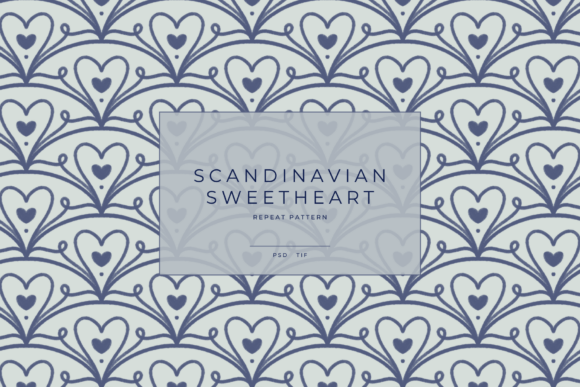
The allure of the Scandinavian Sweetheart Pattern lies in its deceptive simplicity. At first glance, it appears to be a straightforward arrangement of delicate heart motifs nestled within graceful fan-shaped arches. However, for designers, decorators, and creators looking to incorporate this aesthetic into their work, there is a significant difference between a generic digital repeat and a design that truly captures the spirit of Nordic heritage. This hand-drawn, charming folk-inspired pattern combines simplicity and elegance to create a timeless decorative repeat, but achieving that "hand-painted" warmth requires a discerning eye and an understanding of the craft behind the pixels.
Whether you are selecting wallpaper for a nursery, designing a line of kitchen textiles, or creating stationery for a boutique brand, the quality of your source material dictates the final outcome. The rhythmic arrangement of stylized hearts and sweeping curves forms a balanced geometric composition that feels both playful and sophisticated. Yet, many enthusiasts make critical errors when sourcing or applying these designs, often resulting in products that feel sterile rather than soulful. By understanding the nuances of this style, you can avoid common pitfalls and ensure your projects resonate with the intended calm, welcoming aesthetic.
Misunderstanding the Hand-Drawn Essence
One of the most frequent mistakes creators make is overlooking the importance of hand-drawn linework. In the rush to find affordable assets, it is tempting to choose a vector file that looks clean and perfect. However, the charm of the Scandinavian Sweetheart Pattern relies heavily on the slight imperfections found in traditional craftsmanship. When lines are too uniform or mathematically perfect, the design loses the organic flow that evokes the warmth of embroidered textiles and heritage ceramics.
If you select a pattern that lacks this human touch, your final product may feel cold and mass-produced, failing to connect emotionally with your audience. The sweeping curves should mimic the natural movement of a brush or a quill, not the rigid precision of a computer algorithm. To avoid this, always inspect the high-resolution artwork closely before purchasing or downloading. Look for variations in line weight and subtle texture that suggest a human hand guided the creation process. A layered editable .psd file is often a good indicator that the artist has preserved these nuances, allowing you to adjust elements without flattening the organic feel.
The Trap of Poor Scalability and Resolution
Another critical area where projects often falter is in the evaluation of resolution and scalability. The Scandinavian Sweetheart Pattern features intricate details within its geometric scallop layout. When these details are rendered at low resolution, they can become muddy or pixelated when scaled up for large-format applications like wallpaper or upholstery. Conversely, if the pattern is too dense, it may lose its clarity when shrunk down for small items like gift wrap or business cards.
Using a low-quality file can ruin the presentation of your brand or home décor, making a sophisticated design look amateurish. Before committing to a design, consider the full range of your intended applications. Will this pattern adorn a massive feature wall, or will it be printed on delicate paper goods? Ensure the artwork is supplied in a format suitable for recoloring and scaling without loss of fidelity. High-resolution artwork is non-negotiable for professional results. If a seller cannot provide proof of the file's scalability or refuses to show a mockup at full size, it is a red flag that the asset may not meet your needs.
Navigating Color Palettes and Recoloring Potential
The classic blue and ivory palette is iconic for this style, evoking the crisp air of the Nordic landscape and the purity of snow. However, a common misconception is that this color scheme is the only way to achieve the look. While the traditional palette is beautiful, the true versatility of the pattern lies in its ability to be recolored to suit modern interiors and diverse product lines. Many buyers fail to check if the file structure allows for easy color manipulation.
If you purchase a flattened image file, you limit your ability to adapt the design to seasonal trends or specific brand colors. This lack of flexibility can increase costs later if you need to commission a custom redraw just to change a hue. Always verify that the file is layered and editable. This allows you to experiment with softer pastels for a baby collection or deeper, earthier tones for a cottagecore aesthetic while maintaining the integrity of the original linework. The understated color palette should allow the intricate details to shine, regardless of the specific hues chosen.
Contextual Harmony and Application
Finally, a subtle but impactful error is applying the pattern without considering the surrounding context. The Scandinavian Sweetheart Pattern creates a sense of harmony and movement through its repeating scalloped structure. When used in isolation without regard for scale or competing patterns in a room or product line, it can feel disjointed. For instance, pairing this busy folk motif with another complex geometric print can create visual chaos rather than the intended serene atmosphere.
To maximize the effectiveness of this design, treat it as a statement piece that anchors a space or product. In interior design, let the pattern breathe by pairing it with solid colors that match the ivory or blue tones within the art. For product designers, consider how the repeat flows across seams and edges. A well-executed application respects the rhythm of the design, ensuring that the cut-off points in fabric or wallpaper align seamlessly. This attention to detail transforms a simple print into a cohesive design element that enhances the overall user experience.
Key Considerations Before You Begin
To ensure success with your next project involving this timeless motif, keep the following checklist in mind:
- Verify File Format: Ensure you have access to layered, editable files (like .psd) rather than flattened images to maintain flexibility.
- Check Resolution: Confirm the DPI is sufficient for your largest intended use, whether that is upholstery or wall coverings.
- Assess Linework Quality: Look for the organic irregularities of hand-drawn art that distinguish authentic folk design from generic vectors.
- Test Recoloring: If you plan to deviate from the classic blue and ivory, test the file's layers to ensure colors can be changed easily.
- Plan the Scale: Visualize the pattern at actual size to ensure the heart motifs and fan arches remain distinct and legible.
By approaching the Scandinavian Sweetheart Pattern with these practical considerations, you move beyond simply buying a graphic and start curating a piece of functional art. Whether you are a freelancer building a portfolio, a small business owner launching a new homeware line, or a homeowner renovating a space, the right preparation ensures that the final result honors the tradition of Scandinavian folk art while meeting modern standards of quality and style. Embrace the balance of playfulness and sophistication, and let the graceful curves and delicate hearts bring a touch of heritage warmth to your creative endeavors.