Boho Neutral Pastel Plaid Pattern for Modern Creators
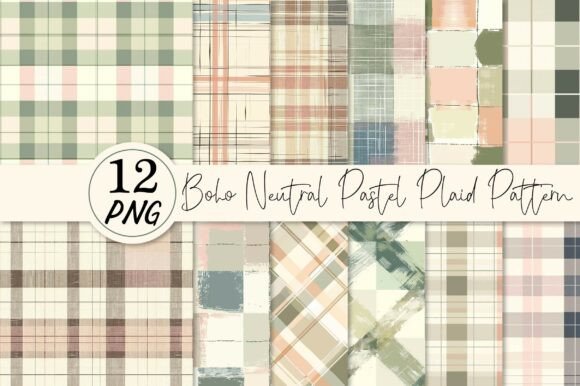
In the evolving landscape of digital design and physical product creation, finding assets that balance trendiness with timeless appeal is often a significant challenge. Designers, small business owners, and hobbyists frequently search for patterns that offer versatility without overwhelming the final composition. The Boho Neutral Pastel Plaid Pattern emerges as a solution that bridges the gap between rustic charm and contemporary minimalism. This specific style of plaid moves away from the harsh contrasts of traditional tartans, opting instead for a softer, more approachable aesthetic that resonates deeply with current market preferences for calming, earth-toned visuals.
Understanding the utility of this pattern requires looking beyond its immediate visual appeal. When you integrate a Boho Neutral Pastel Plaid Pattern into your workflow, you are selecting a design element that inherently reduces visual noise while maintaining structural interest. The "distressed effect" mentioned in high-quality file sets is not merely a stylistic choice; it serves a functional purpose by adding texture and depth. This texture prevents the design from looking flat or digitally sterile, giving physical products a sense of history and tactile quality even before they are touched. For entrepreneurs selling on platforms like Etsy or at local craft fairs, this perceived value can be the difference between a browser scrolling past and a customer making a purchase.
Elevating Product Presentation with Texture and Tone
One of the primary advantages of utilizing a set of 12 distinct designs within the neutral pastel spectrum is the ability to maintain brand consistency across a diverse product line. Whether you are producing stickers, greeting cards, or apparel, having a cohesive family of patterns allows you to create collections rather than isolated items. The neutral palette—typically comprising soft beiges, muted sages, dusty roses, and warm greys—ensures that these patterns do not clash with other design elements. For instance, when designing a t-shirt, a loud, saturated plaid might compete with a graphic logo. However, a solid color distressed effect in a pastel hue acts as a supportive background, allowing typography or central illustrations to take center stage while still providing a rich, layered look.
The technical specifications of these assets play a crucial role in their practical application. Receiving files at 300 dpi with dimensions of 12×12 inches is industry standard for high-quality printing, but the inclusion of a transparent background significantly streamlines the production process. In professional workflows, time spent masking out white backgrounds or cleaning up edges is time lost. Transparent PNGs allow creators to drop the pattern directly onto colored mockups, fabric textures, or complex layouts without additional editing steps. This efficiency is particularly valuable for freelancers managing tight deadlines or small business owners who handle their own fulfillment and marketing materials.
Practical Applications Across Different Mediums
The versatility of the Boho Neutral Pastel Plaid Pattern extends far beyond simple paper crafts. Consider the growing market for personalized stationery and planners. A scrapbook page featuring these patterns can evoke a sense of nostalgia and warmth that solid colors cannot achieve. The distressed nature of the lines mimics the look of worn fabric or vintage paper, aligning perfectly with the "cottagecore" and bohemian aesthetics that remain popular among consumers aged 20 to 50. Similarly, for wall decor, these patterns can be printed on canvas or heavy cardstock to create framed artwork that complements modern interior design trends favoring natural materials and subdued color palettes.
For those in the apparel and accessory sector, the scalability of these vector-ready or high-resolution raster images is essential. Because the files are easy to resize with different software, a single design can be adapted for a small sticker sheet or enlarged for a full-print hoodie without losing clarity. This adaptability supports a lean inventory model where a creator can test multiple product types using the same core asset library. If a particular pastel shade performs well on stickers, it can be immediately deployed to tote bags or phone cases, reducing the risk associated with launching new product lines.
Streamlining the Creative Workflow
Efficiency in creative work often comes down to the quality of the raw materials used. When a designer starts with a high-fidelity asset, less time is spent fixing resolution issues or color banding. The Boho Neutral Pastel Plaid Pattern set, specifically designed with a distressed effect, eliminates the need for designers to manually add noise or texture overlays, which can sometimes look artificial if not done correctly. The pre-rendered distress provides an organic feel that is difficult to replicate quickly from scratch. This allows creators to focus their energy on composition, messaging, and branding strategy rather than getting bogged down in texturing techniques.
Furthermore, the variety offered in a 12-design pack encourages experimentation. Having multiple variations means a creator can A/B test different backgrounds in their marketing materials to see which resonates most with their audience. Perhaps a cooler grey-toned plaid appeals more to a corporate clientele for notebook covers, while a warmer peach-toned variant drives sales for baby shower invitations. This data-driven approach to design selection is only possible when there is sufficient variety within a cohesive theme.
Considerations for Digital and Physical Output
While the benefits are substantial, it is important for users to understand the nuances of working with digital downloads. As these are instant download files, no physical item is sent; the responsibility for printing lies with the user or their chosen print provider. This offers flexibility but also requires attention to detail regarding color management. It is a well-known reality in the printing industry that colors may vary depending on devices and printers. A pastel blue on a calibrated monitor might appear slightly more violet on a home inkjet printer or more green on a commercial offset press.
To mitigate this, professionals recommend ordering a proof or test print before committing to a large run, especially for color-sensitive projects like wedding invitations or brand-specific merchandise. Understanding the substrate is also key; the distressed effect of the Boho Neutral Pastel Plaid Pattern may interact differently with glossy sticker paper versus matte cotton fabric. On glossy surfaces, the contrast might appear sharper, while on textured fabrics, the distress could blend more naturally with the weave of the material. Being aware of these interactions ensures that the final product meets quality expectations.
Ultimately, incorporating these patterns into your toolkit is about enhancing the narrative of your products. In a marketplace saturated with generic designs, the subtle sophistication of a neutral, boho-inspired plaid signals a thoughtful curation process. It suggests to the consumer that care was taken in the selection of materials and aesthetics. For educators creating classroom resources, bloggers designing media kits, or publishers laying out book covers, this style offers a professional yet inviting atmosphere. It creates a visual language that says "welcoming" and "authentic," qualities that are increasingly prized in both personal and commercial contexts.
By leveraging the high resolution, transparent backgrounds, and versatile colorways of these assets, creators can produce work that stands out for its quality and coherence. The Boho Neutral Pastel Plaid Pattern is more than just a background; it is a foundational element that supports a wide array of creative goals, from simplifying design decisions to elevating the perceived value of physical goods. Whether used for a single DIY project or as the cornerstone of a seasonal product collection, these designs provide the reliability and aesthetic flexibility needed to succeed in today's competitive creative economy.